Is 18 Degrees Celsius Normal for Dutch Weather? An Analysis
The Netherlands, a nation renowned for its picturesque canals, vibrant tulip fields, and a distinct cycling culture, is also famous for its famously unpredictable weather. Visitors and residents alike often ponder what constitutes "normal" weather in this low-lying European country. One temperature that frequently sparks curiosity is 18 degrees Celsius. Is weer 18 graden (18-degree weather) a typical occurrence, or a delightful anomaly? The answer, as with many things Dutch, is nuanced and depends heavily on the season, accompanying atmospheric conditions, and even the evolving climate.
At first glance, 18°C might sound pleasantly mild. It's a temperature that can feel comfortable and inviting, perfect for outdoor activities. However, the true experience of 18 degrees Celsius in the Netherlands is shaped by more than just the thermometer reading. Factors like air pressure, wind, humidity, and cloud cover play significant roles in how this specific temperature is perceived. Let's delve deeper into understanding 18°C in the context of Dutch weather patterns, exploring its seasonal prevalence, and how to best prepare for such conditions.
The Feel of 18°C in the Netherlands: A Seasonal Perspective
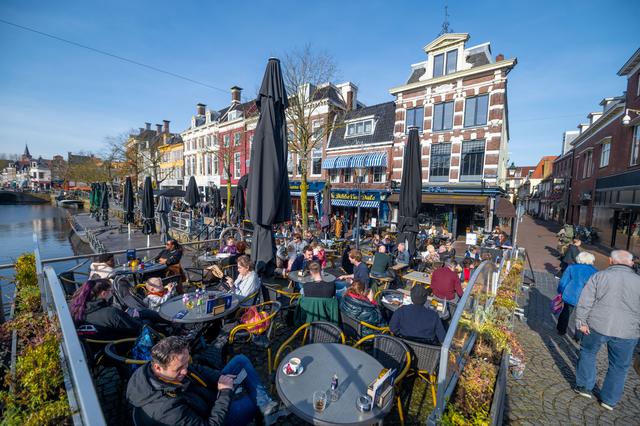
When the Dutch weather forecast predicts 18 degrees Celsius, the immediate sensation can vary dramatically based on the time of year. For many, 18°C represents an ideal temperature: not too hot for strenuous activity, yet warm enough to enjoy being outdoors without heavy layers. It's a temperature that often prompts people to take their bikes out for a longer spin, enjoy a terrace (terrasje) with a drink, or simply stroll through a park.
In late spring (think May and early June), 18°C is a highly anticipated and much-loved temperature. After the often chilly and wet days of early spring, 18 degrees Celsius feels like a promise of summer. It's often accompanied by sunshine and light breezes, making it perfect for shedding winter coats and embracing lighter clothing. This period is when the Netherlands truly comes alive with blossoming nature and buzzing outdoor life.
Come summer (July and August), 18°C can feel surprisingly cool. While still pleasant, it's typically below the average summer temperatures, which often hover around 20-25°C, with occasional heatwaves soaring much higher. On an 18-degree summer day, you might find locals reaching for a light jacket, especially in the evenings, contrasting sharply with the bare arms and shorts common on hotter days.
During early autumn (September and early October), 18°C is often described as an "Indian summer" day. These are golden days, perfect for enjoying the turning leaves and extending the outdoor season. It's a gentle reminder of summer before the colder, darker days of winter truly set in. However, by late autumn, 18°C becomes increasingly rare and would be considered exceptionally mild, often signalling unseasonably warm conditions.
In winter (December to February), 18°C is virtually unheard of. Average winter temperatures in the Netherlands typically range from 0-6°C, with frost and occasional snow. An 18-degree winter day would be an extreme anomaly, likely indicating a significant warm front and an unseasonal lack of winter chill. For a deeper dive into the immediate implications of this temperature, you might find our article Netherlands Weather: What 18 Degrees Celsius Means Today particularly insightful.
Deciphering Dutch Weather: Beyond Just Temperature
Understanding weer 18 graden in the Netherlands goes far beyond just the numerical temperature. The Dutch weather experience is a complex interplay of several atmospheric factors, which is why services like Buienradar provide comprehensive data, including air pressure (luchtdruk) and an overall weather icon description (icoonzin).
The Role of Air Pressure (Luchtdruk)
Air pressure is a critical, yet often overlooked, indicator of upcoming weather stability. High air pressure (typically above 1013 millibars, with stable sunny weather often associated with 1020+ mbar) generally brings clear skies, lighter winds, and settled conditions. So, 18°C on a high-pressure day often means glorious sunshine, feeling warm and comfortable. The sky might be "zonnig" (sunny) or "licht bewolkt" (lightly cloudy), contributing to a pleasant sensation.
Conversely, low air pressure (below 1013 mbar, with unsettled weather often below 1000 mbar) usually indicates instability, bringing clouds, wind, and a higher chance of precipitation. An 18°C day under low pressure can feel quite different. It might be damp, grey, and blustery, even with the same temperature reading. The icoonzin might describe the weather as "regenachtig" (rainy) or "bewolkt en buiig" (cloudy and showery), making the day feel considerably cooler and less inviting than a sunny 18°C.
This dynamic interaction between temperature and air pressure is why checking a detailed forecast from services like Buienradar or Weeronline is essential. These platforms, often integrated into smart home systems as seen with Node-RED, provide real-time information, including the outdoor temperature (temperatuurGC), air pressure (luchtdruk), and a concise description of the weather condition (icoonzin). For a deeper dive into this fascinating relationship, explore our related piece: Buienradar Insights: Air Pressure and 18 Degrees Celsius in NL.
The Impact of "Icoonnzin" (Weather Description)
The accompanying weather description, or icoonzin, paints a more complete picture. An 18°C day that is "zonnig" (sunny) will undoubtedly feel warmer and more pleasant than an 18°C day that is "zwaar bewolkt met af en toe regen" (heavily cloudy with occasional rain). The presence of wind also plays a critical role. The Netherlands, being a coastal nation, is often breezy. A fresh breeze on an 18°C day can make it feel much cooler, especially for cyclists.
Is 18°C Normal? Seasonal Averages and Climate Trends
The concept of "normal" is fluid, especially concerning weather. While historical averages give us a baseline, climate change is subtly shifting these norms. Historically, 18°C in the Netherlands would be considered:
- Mildly warm in Spring (April-May): Average temperatures in May hover around 11-14°C, so 18°C is above average and quite lovely.
- Slightly cool in Summer (June-August): The average summer temperature is closer to 17-20°C, with many days reaching 20-25°C or higher. An 18°C summer day, while still pleasant, might feel a bit understated.
- Pleasantly warm in Autumn (September-October): Average temperatures in September are around 13-16°C. An 18°C day feels like a bonus, a last hurrah of warmth before winter.
- Extremely unusual in Winter (November-March): Winter averages are typically 1-6°C. 18°C during winter would be a record-breaking anomaly.
However, recent decades have shown a discernible trend towards rising average temperatures globally, and the Netherlands is no exception. What was once considered an "unseasonably warm" weer 18 graden day in early spring or late autumn is becoming more frequent. Winters are generally milder, and the shoulder seasons (spring and autumn) tend to extend, offering more days with moderate temperatures like 18°C. This shift can impact everything from agricultural cycles to tourism patterns, underscoring the importance of adaptability.
Preparing for Dutch Weather: Tips for Every 18-Degree Day
Given the variability of Dutch weather, even on an 18°C day, preparation is key. Here are some practical tips for both residents and visitors:
- Embrace Layers: This is arguably the golden rule for dressing in the Netherlands. An 18°C morning might turn into a 22°C afternoon with bright sunshine, only to drop back to 15°C with a brisk wind or a sudden shower. A light jacket, a sweater, and a t-shirt offer maximum flexibility.
- Always Check the Forecast: Don't rely solely on the morning temperature. Use reliable local apps like Buienradar or Weeronline, which provide hourly updates, rain radar, and wind forecasts. Pay attention to the "feels like" temperature, which accounts for wind chill.
- Be Rain-Ready: Even on apparently mild or sunny 18°C days, quick, localized showers can appear out of nowhere. A compact umbrella or a light waterproof jacket is always a sensible addition to your bag.
- Consider the Wind: The Dutch landscape is flat and open, making it susceptible to wind. A strong breeze on an 18°C day, especially near the coast or open fields, can make it feel significantly cooler.
- Enjoy the Outdoors: When 18°C aligns with clear skies and low wind, it's truly ideal weather for exploring. Cycle along scenic routes, visit an outdoor market, or enjoy a picnic in one of the many beautiful parks.
Conclusion
In conclusion, while 18 degrees Celsius in the Netherlands might sound like a straightforward pleasant temperature, its "normality" and actual feel are anything but simple. It’s a temperature that can signify the burgeoning beauty of late spring, a mild moment in summer, the lingering warmth of autumn, or a stark anomaly in winter. The true experience of weer 18 graden is intricately linked to factors like air pressure, cloud cover, and wind, making comprehensive weather forecasts indispensable. As climate patterns evolve, our understanding of what constitutes "normal" weather will continue to shift. Regardless of the season, embracing layers and staying informed are the best strategies to fully appreciate the dynamic and often delightful character of Dutch weather.